This article is copied from the Ammunition Depot website.
I found this article that explains the different types and weights of 9mm Ammunition so you can make an educated decision about what you buy and carry for training and for self defense. I hope you find it useful.
~Terry Goodlad~
9mm Ammo: What Most Shooters Actually Buy (and Why)
The 9×19mm cartridge, commonly called the 9mm Luger, 9mm Parabellum, or simply 9mm, is the world’s most popular handgun caliber. Initially developed by Austrian designer Georg Luger in 1901, the German military adopted it in the early 20th century and soon saw extensive use in both World Wars.
Today, 9mm ammunition is the standard sidearm caliber for NATO forces and is used by the majority of police and military units worldwide. In fact, a 2007 survey found about 60% of U.S. police sidearms chambered in 9mm, a testament to its effectiveness and trust by law enforcement.
What makes 9mm so popular?
It hits the sweet spot between power, recoil, and capacity. A typical 9mm Luger firing a 115-grain full metal jacket (FMJ) bullet generates moderate recoil and muzzle energy (~350 ft-lbs), which most shooters can handle comfortably. This allows for faster follow-up shots and higher magazine capacity than larger calibers like .45 ACP.
At the same time, modern 9mm defensive loads offer impressive stopping power–premium jacketed hollow points can expand reliably on impact, creating larger wound channels without over-penetration. With advancements in bullet design, 9mm JHP ammunition has proven extremely effective for personal protection, which is why it’s now the go-to choice for many concealed carriers, police departments, and even the FBI.
The round’s versatility also shines in its wide adoption: 9mm works in compact handguns, full-size duty pistols, pistol-caliber carbines, and submachine guns alike. Another key benefit is affordability and availability.
Thanks to its global popularity, 9×19 ammo is produced in huge quantities by virtually every manufacturer, which keeps prices relatively low. Whether you’re grabbing a few boxes for the weekend or planning ahead for training days, 9mm stays one of the most cost-effective calibers to shoot. If you specifically want case quantities, shop our Bulk 9mm Ammo page.
This low cost per round means more training and practice for your dollar, a big reason new shooters often start with 9mm. It’s not an exaggeration to say 9mm offers a “do-it-all” balance, ample power for defense, mild recoil for control, high capacity for training, and an inexpensive price for volume shooting.
Clarifying the Names
You’ll see terms like 9mm Luger, 9×19 Parabellum, and 9mm NATO used interchangeably.
For practical purposes, these all refer to the same cartridge size. “9mm Luger” is the SAAMI designation (named after Georg Luger), while “9×19mm Parabellum” is the CIP term (Parabellum comes from Si vis pacem, para bellum, “If you seek peace, prepare for war”). 9mm NATO, on the other hand, is a specific loading of 9×19 intended for military use; it fires the same dimensions but at higher pressure (about 36,500 psi vs. 35,000 psi for standard ammo).
In essence, any firearm rated for 9mm +P ammo can safely shoot 9mm NATO spec. We’ll break down the differences in the table below.
Understanding the Differences
9mm Luger vs. 9mm NATO vs. 9x19 Parabellum
There’s a lot of confusion surrounding the different 9mm designations, but most shooters are often unaware that they are referring to the same foundational cartridge. While the 9mm Luger, 9mm NATO, and 9x19mm Parabellum are compatible in many firearms, they are not identical in terms of performance, pressure, or intended use.
Here’s a side-by-side breakdown to help clarify the differences, and ensure you're using the right ammo for your needs.
| Attribute | 9mm Luger (SAAMI) | 9mm NATO | 9x19mm Parabellum |
|---|---|---|---|
| Bullet Diameter | 9mm (0.355") | 9mm | 9mm |
| Case Length | 19.15 mm | 19 mm | 19.15 mm |
| Typical Bullet Weight | 115 grains (also 124 gr common) | 124 grains (NATO standard) | 115–124 grains |
| Chamber Pressure | ~35,000 psi (SAAMI) | ~36,500 psi (~+P equivalent) | ~35,000 psi |
| Recoil Impulse | Mild to moderate, easy control | Noticeably sharper due to higher pressure | Moderate, varies by load |
| Velocity Range | 1,150–1,200 fps | 1,200–1,250 fps | 1,150–1,200 fps |
| Firearm Compatibility | Universal use in modern 9mm pistols and carbines | Military and NATO-standard firearms rated for +P | Broad compatibility with 9mm handguns and PCCs |
| Common Applications | Civilian defense, concealed carry, target shooting | Military and police training or combat use | General-purpose shooting across civilian and LE |
| Market Availability | Widely available, reloadable brass cases common | Less common, typically surplus or mil-spec lots | Widely available from most major ammo brands |
| Cost Per Round | $0.28–$0.38 (range) | $0.30–$0.42 (range) | $0.27–$0.40 (range) |
| SAAMI / Standards Compliance | Yes (SAAMI-spec) | No (NATO overpressure specification) | Not standardized by SAAMI but functionally equivalent |
| Best Use Today | All-around performer for most platforms | Training or combat shooting in NATO-grade weapons | Reliable training and target round with broad use |
Which One Should You Use?
If you’re running a standard AR-style pistol, a full-size striker-fired handgun, or a compact concealed carry platform chambered in 9mm, the 9mm Luger will meet 99% of your needs.
It’s cost-effective, widely supported, and ideal for everything from casual plinking to self-defense, depending on the right bullet type. 9mm NATO, on the other hand, is essentially a hotter version of the same round. It's higher pressure mimics +P performance, making it suitable for firearms specifically rated for increased chamber stress.
Shooters often find NATO rounds to have a snappier recoil and louder report, noticeable when shooting indoors or through suppressed setups. As for 9x19 Parabellum, it's simply the European designation for 9mm and often used interchangeably with “9mm Luger.”
If your firearm is marked for either, you’re safe to shoot both, as long as you avoid loads that exceed your firearm’s pressure rating.
9mm Bullet Types Explained
9mm Bullet Types Explained: FMJ vs. JHP and More
Whether you're buying 9mm ammo for target practice, concealed carry, or competition, understanding the different bullet types is critical. Here's a breakdown of the most common 9mm projectiles you'll find:
1. FMJ (Full Metal Jacket)
Best for: Target practice, training, range shooting
Why it matters: FMJ ammo is the most common type of 9mm sold in the U.S. (over 84% of all 9mm sales). These bullets are affordable, clean-shooting, and feed reliably in nearly every modern pistol or carbine.
2. JHP (Jacketed Hollow Point)
Includes: Bonded JHPs (BJHPs)
Best for: Self-defense, home protection
Why it matters: JHP bullets expand on impact, making them ideal for stopping threats while minimizing the risk of over-penetration. Many law enforcement agencies rely on proven JHP loads like Speer Gold Dot, Federal HST, and Hornady Critical Defense.
Bonded JHPs, a premium subset of JHPs, have their lead core and jacket fused together through a mechanical or chemical process. This bonding helps retain bullet weight, prevents core-jacket separation, and ensures deeper, more consistent penetration, especially through barriers like clothing, drywall, or auto glass. Trusted options include Speer Gold Dot and Winchester Ranger, which are known for their reliability under stress.
3. TMJ (Total Metal Jacket)
Best for: Indoor ranges, lead-restricted environments
Why it matters: TMJ rounds fully enclose the lead core, including the base, making them safer for enclosed shooting environments where airborne lead is a concern.
4. +P and +P+ 9mm Ammo
Best for: Defensive applications in +P-rated firearms
Why it matters: +P loads offer increased velocity and stopping power, but also generate higher chamber pressure. Only use +P or +P+ in firearms rated for it.
5. Frangible, Subsonic, and Specialty Rounds
Best for: Indoor ranges, suppressed shooting, visual tracking, or novelty use
Why it matters:
- Frangible: Designed to disintegrate on impact, reducing the risk of ricochet. Commonly used at indoor ranges where lead and splash-back are a concern.
- Subsonic: Loaded below the speed of sound, these rounds run quieter and pair well with suppressors. Ideal for training without the extra noise.
- Tracer / Incendiary: Visible projectiles that leave a light trail. Useful for tracking shots or special applications. Be sure to follow local laws before purchasing.
Popular Factory New 9mm Ammo Brands
With so many companies making 9mm ammunition, which brands do shooters trust the most? Based on Ammunition Depot’s sales data, a handful of manufacturers rise to the top. (In fact, internal stats show that one brand alone accounts for nearly 39% of our 9mm units sold!)
Below we highlight some of the best-selling 9mm ammo brands on our site, names known for their quality, reliability, and popularity among shooters. (Each brand name links to our ammunition page so you can browse our current inventory.)
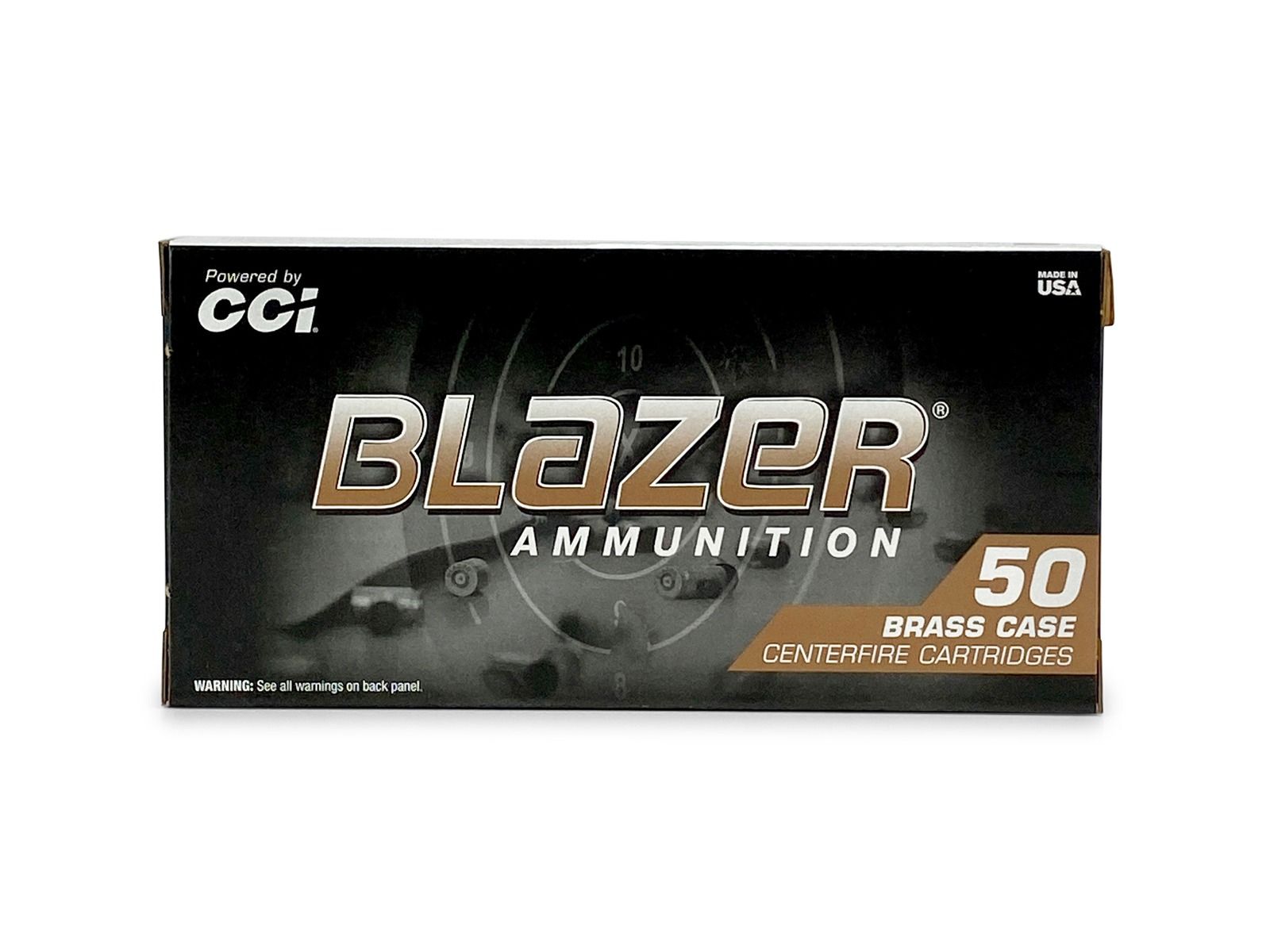
CCI Blazer Ammo, #1 in 9mm sales (≈18.85% share). CCI’s Blazer line, including Blazer Brass and Blazer Aluminum, is a range staple thanks to its low cost and dependable performance. Shooters love Blazer Brass for cheap practice ammo that runs clean and consistent, and Blazer Aluminum for even more savings in calibers like 9mm. It’s no surprise that CCI Blazer rounds are our top sellers for range training and bulk purchases. (CCI is part of Vista Outdoor, alongside Speer.)
Federal Premium, #2 in 9mm sales (≈16.24% share). Another top seller, Federal, offers a full spectrum of 9mm rounds from budget to premium. American Eagle 9mm is Federal’s value line FMJ, great for the range, while their HST and Hydra-Shok jacketed hollow points are carry staples for many shooters. Federal’s reputation for quality control and the performance of rounds like HST (one of the most trusted law enforcement bullets) keep its 9mm offerings in high demand. Federal ammo typically makes up a significant portion of our 9mm sales each month.
Winchester Ammunition, #3 in 9mm sales (≈9.84% share). A legendary American ammo maker, Winchester is famous for the ubiquitous “White Box” 9mm ammo found on shelves everywhere. Their 115gr FMJ USA White Box is an affordable, no-frills choice for target shooting. Winchester also produces defensive loads like the Ranger-T Series and USA Ready Defense JHP. At Ammunition Depot, Winchester ammo consistently ranks among our best sellers, prized for its heritage and proven track record.
US Cartridge, #4 in 9mm sales (≈5.81% share). US Cartridge is one of Ammunition Depot’s top sellers for factory-new 9mm ammo, particularly among buyers looking for reliable range ammo at the best price. This American manufacturer emphasizes quality control and consistency across their product lines, including FMJ for target shooting and JHP for personal defense. Their 115-grain FMJ loads are known for being clean, dependable, and competitively priced, making them a frequent pick for high-volume shooters. Most importantly, US Cartridge ammo is not remanufactured, giving customers confidence in each round’s performance and reliability.
Speer Ammo, #5 in 9mm sales (≈5.1% share). Speer is renowned for two things: the Gold Dot line of bonded hollow point ammo (a gold standard for law enforcement and self-defense), and the Lawman line of TMJ training ammo. Speer Gold Dot 124gr +P is carried by many police departments for its excellent terminal performance, and we make sure to stock it for personal defense customers as well. Meanwhile, Speer Lawman FMJ is a clean-shooting training round calibrated to mimic Gold Dot’s recoil and point of impact. Together, these make Speer a staple for serious 9mm shooters. (Speer’s parent company is CCI, which, as noted, dominates range ammo sales.)
Browning, Browning-branded ammunition is manufactured in the U.S. by Winchester and reflects the legendary heritage of the Browning name. Its 9mm offerings include the BPT (Browning Performance Target) line, built with full-metal-jacket bullets, clean-burning powder, and consistent brass casings. Popular for training and practice, it’s a favorite among shooters who want a premium feel without the premium price. For those looking for a defensive option, Browning also offers X-Point Defense, a 147-grain JHP round designed for barrier penetration and reliable expansion. Although it’s not the cheapest ammo in our lineup, shooters trust Browning for its balance of performance, reliability, and brand prestige.
PMC Ammunition, Precision Made Cartridges (PMC) is a South Korean manufacturer that has earned a strong following in the USA with its Bronze line of 9mm FMJ ammo. PMC Bronze 115gr FMJ is a fan-favorite for range use because it offers clean-burning, reliable practice ammo at a very competitive price point. It’s one of the top choices for those seeking affordable 9mm ammo that doesn’t compromise on quality, and it consistently ranks among our best-selling import brands.
Remington Ammo, as the oldest U.S. ammo brand, Remington is known for its UMC line of budget-friendly ammo and the Golden Saber line of personal defense JHP. After a brief hiatus during Remington’s restructuring, Big Green is back in the ammo game (now under Vista Outdoors), and we keep a steady stock. While not our highest-volume seller, Remington 9mm rounds remain popular with shooters who have trusted this brand for decades.
Honorable mentions: Hornady, Fiocchi, Magtech, Sellier & Bellot, and others also produce very popular 9mm rounds that we carry. In particular, Hornady’s Critical Defense and Fiocchi’s range and defense offerings are highly regarded. But the brands above represent the lion’s share of our customers’ 9mm ammo purchases by volume.
Best 9mm Ammo for Specific Uses
Not all 9mm ammo is the same; some loads are better suited for certain applications than others. For example, the ideal training ammo might differ from the best choice for home defense.
Below we’ve selected a few of Ammunition Depot’s top-rated 9mm rounds in each category, based on customer reviews and sales. Whether you need ammo for casual plinking, personal protection, a micro compact pistol, or high-volume practice, these picks have proven themselves in their respective roles:
| Use Case | Best Choice (Our Pick) | Runner-Up Options |
|---|---|---|
| Best 9mm Range Ammo (Target Practice) | CCI Blazer Brass 115gr FMJ Popular, economical training round with reliable ignition and reloadable brass. |
|
| Best 9mm Home Defense Ammo | CCI Blazer Brass 115gr FMJ Excellent expansion/penetration in testing; standard pressure for lower flash/recoil. |
|
| Best 9mm Ammo for Subcompact Pistols | Hornady Critical Defense 115gr FTX Optimized for micro/CCW guns; expands at lower velocities. |
|
| Best 9mm Ammo for Training | CCI Blazer Brass 9mm — 50 Rounds Affordable bulk option; strong reliability, low cost per round. |
|
(Always test your self-defense ammo in your firearm to ensure reliable feeding and function. The “best” ammo is ultimately what runs well in your guns and meets your specific needs.)